Listing photos are good at making a place look perfect. They’re bad at telling you about the water, the road in, the neighbor’s spray schedule or what the county will let you build. The expensive mistakes happen before closing, so the search itself has to catch them.
Our rule is simple: never fall in love with a view you don’t own. Decide what the land has to do for you, search widely, rule places out from home, and only then drive out to see the few that are left.
This guide covers the search. When you have a shortlist, our guide to evaluating land before you buy covers the checks that decide whether you can actually live there.
Free class
How to find your dream homestead property
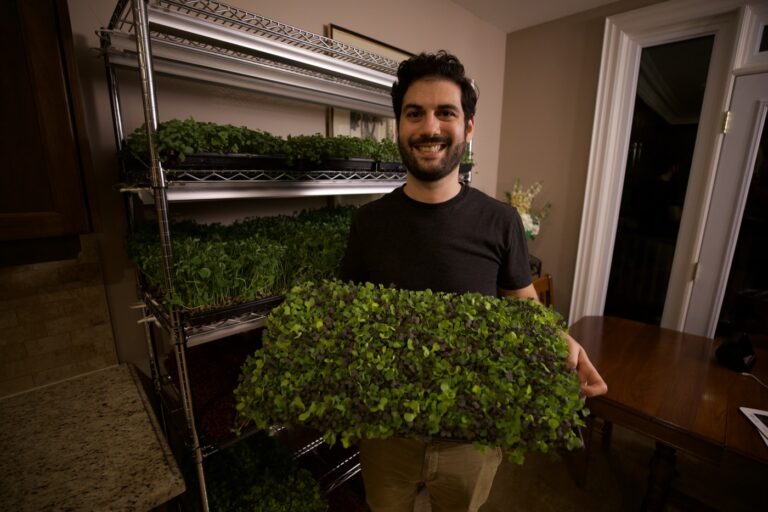
Where good land hides and how to rule places out from home before you visit. With Curtis Stone.
Start with the life the land has to support
Before you open a listing, write down what a normal week will look like. Will you commute or work online? Grow most of your own food? Keep animals? How close do you need to be to school, a hospital or family?
Then sort what you need into two lists:
- Non-negotiables: deal-breakers. If a property has one, it’s out, however good the photos look. Legal year-round access, water and a place you’re allowed to build usually belong here.
- Negotiables: things you want but would trade for something more important, like a pond, a woodlot or a south-facing slope.
Keep a separate list of open questions for every property: things a listing can’t answer, like whether you can drill a well or what it would cost to bring in power. An open question is not a yes. A beautiful barn doesn’t matter if you can’t get a permit to live there.
Budget for the whole project, not the listing price
The price on the listing is only the start. Land often needs a well, a septic system, a road, power and clearing before you can live on it, and those can cost more than the land itself.
Start with what you can spend on the whole project, then price the land and the work together. Get real quotes as soon as a property becomes serious. If you’re borrowing, ask your lender about that specific property. Loans for raw land often work differently from loans for a house.
Pick an area you can actually live in
Choose a few areas based on your non-negotiables, not on a “best states to homestead” list. For each one, check:
- how far it is to groceries, a hospital and the other places you go every week
- how far it is to the people who’ll build and fix things, such as well drillers, electricians and supply stores
- the growing season, rainfall and winters
- what the community is like, and whether you’d want these people as neighbors
Distance to trades and supplies is the one people miss. It doesn’t show up until you’re trying to get a well drilled or a roof fixed an hour from town.
Before you spend weekends touring, call the county planning or permitting office. Tell them what you want to do on the land, and ask which records and approvals you should check for a specific parcel. Words like “rural” or “unrestricted” in a listing don’t answer that.
Search more than one way
Use the big real-estate sites, land listing sites and a local agent who knows rural property. Tell friends and local contacts exactly what you’re looking for: the area, your budget, what you’ll use the land for and your deal-breakers.
Try different search terms, too. The right place might be listed as “small acreage,” “rural home,” “hobby farm” or “vacant land” rather than “homestead.” Save the link and the date for every listing you look at, so you know which ones are current.
Rule places out from home
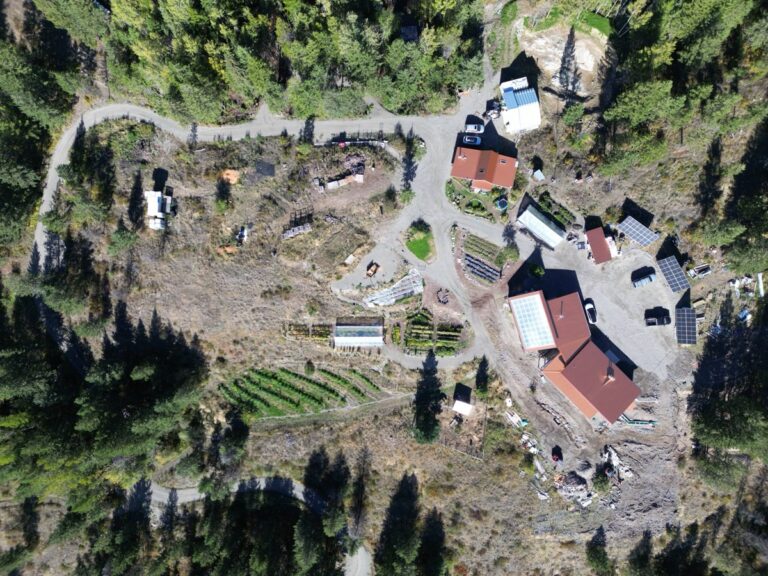
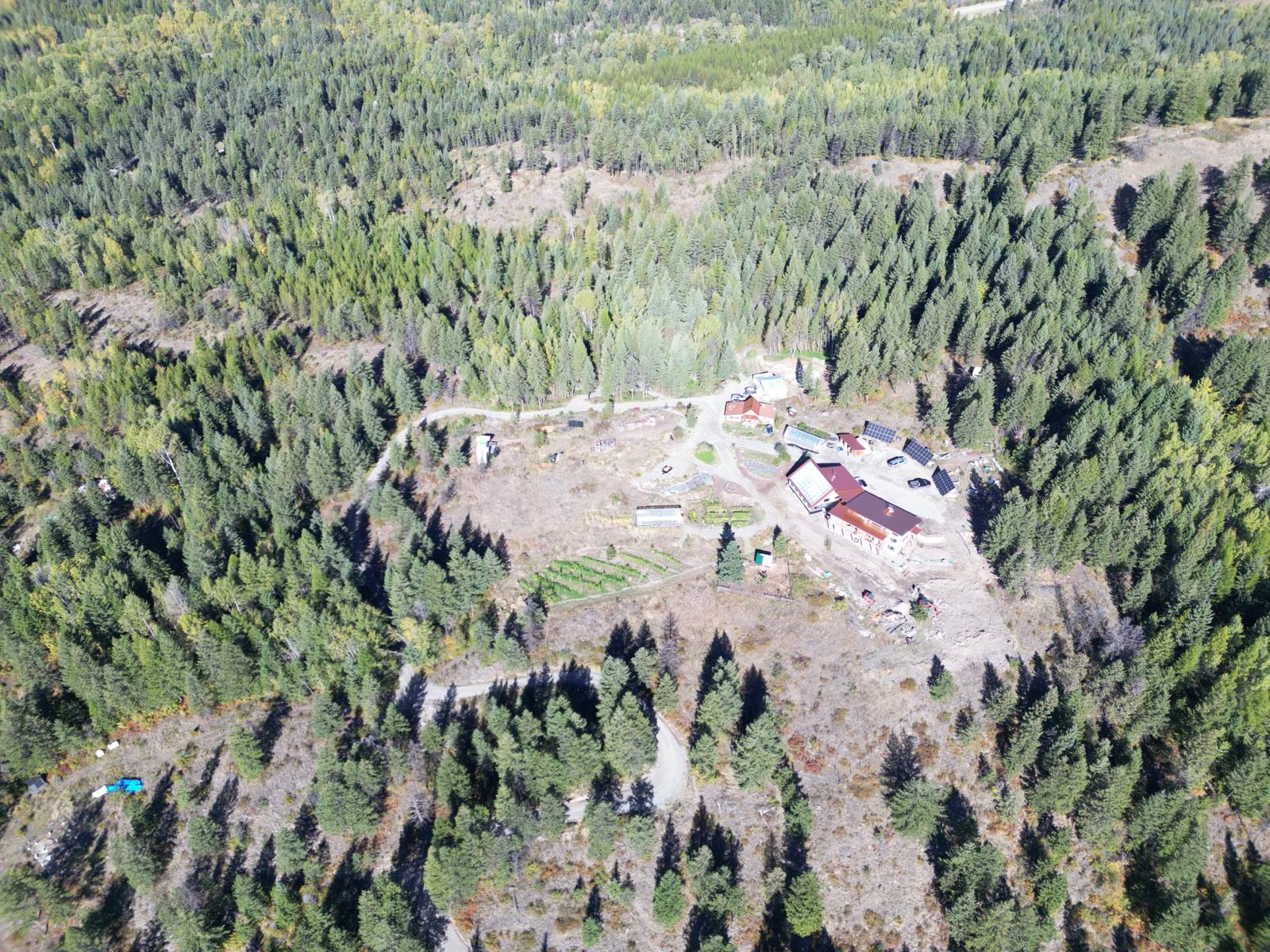
Most bad fits can be caught without leaving your kitchen table. Google Earth and satellite views show a lot that listings leave out:
- What’s next door: large farm operations, spray drift, gravel pits or new development
- What the road can see: whether the house sits in full view of traffic, and whether trees could screen it
- The way in: whether there’s a real road to the property, and whether it crosses someone else’s land
- Slope and aspect: where you could build, and which way the land faces for sun and growing
- Water: creeks, ponds or wet areas, and whether neighbors have wells
Free public maps help as well. The USDA’s Web Soil Survey shows mapped soils for planning, and FEMA’s Flood Map Service Center shows official flood zones. Neither replaces a visit or the county’s records, but together they rule out a lot of places before you drive.
Keep a shortlist
For each property that survives, keep a short record:
- the listing link, address, parcel number and the date you checked it
- which non-negotiables it seems to meet
- the one open question most likely to change your mind
- the proof you need, such as a record, a quote or an inspection
- who to call next and what to ask
If every property fails on the same non-negotiable, look at that requirement on purpose. You might change the area, the size, the timeline or the budget. Make the trade-off with your eyes open instead of letting a good photo make it for you.
How much land do you need?
It depends on what you want to grow and raise, but most people we talk with look at 6 to 20 acres. Total acreage matters less than usable space: room for the house, garden, access road and anything else you need, on ground you can actually build and grow on.
Raw land or a place with a house?
A house can save years of work, but it can also come with repairs you didn’t plan for. Raw land gives you a clean start, but you’ll need to confirm you can build, get water and put in septic, and pay for all of it. Compare the whole project for both, using real quotes.
Next: check it before you buy
A shortlist is a set of places worth checking, not a decision. Our guide to evaluating land before you buy walks through water, access, zoning, what’s next door and the other checks that decide whether a place will work.
Free class: how to find your dream homestead property
Our free class covers the most expensive mistakes buyers make, where good land hides, and how to use Google Earth to rule places out before you visit.